
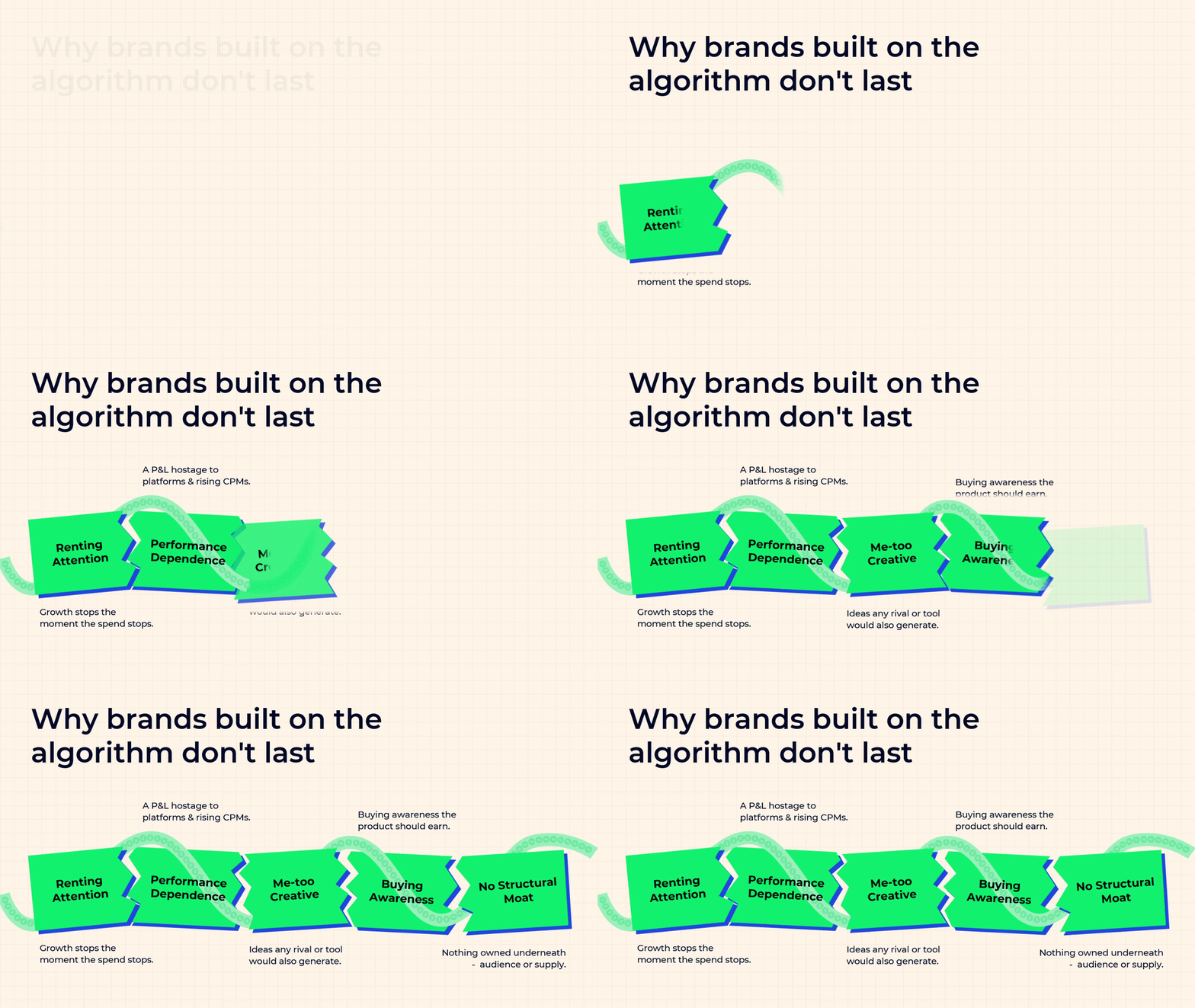









Marketing budgets have tilted hard toward short-term activation. WARC data shows the market moved to roughly 69% performance and 31% brand by 2024, an inversion of the balance that decades of research link to long-term growth. At the same time, customer acquisition costs keep climbing as channels saturate. Rented reach, bought again each month, is a weak foundation for durable results.
Make the Product Do the Marketing
The cheapest channel an organization can own is the product itself. When a first use delivers a payoff worth talking about, the product earns trials and repeat orders without constant paid support. That lowers acquisition cost and creates word of mouth that rivals cannot buy. As the business scales, these savings compound, and the product becomes the lowest-cost engine of durable growth rather than a line item that depends on media spend.
Trial works because people trust their own experience more than an advertisement. Research summarized by Nielsen found that most consumers trust recommendations from people they know above every paid format. A separate body of sampling research reports that a large share of shoppers buy a sampled product on the same trip, and many tell others about it afterward. The lesson for managers is clear: a product that proves itself needs less paid rescue.
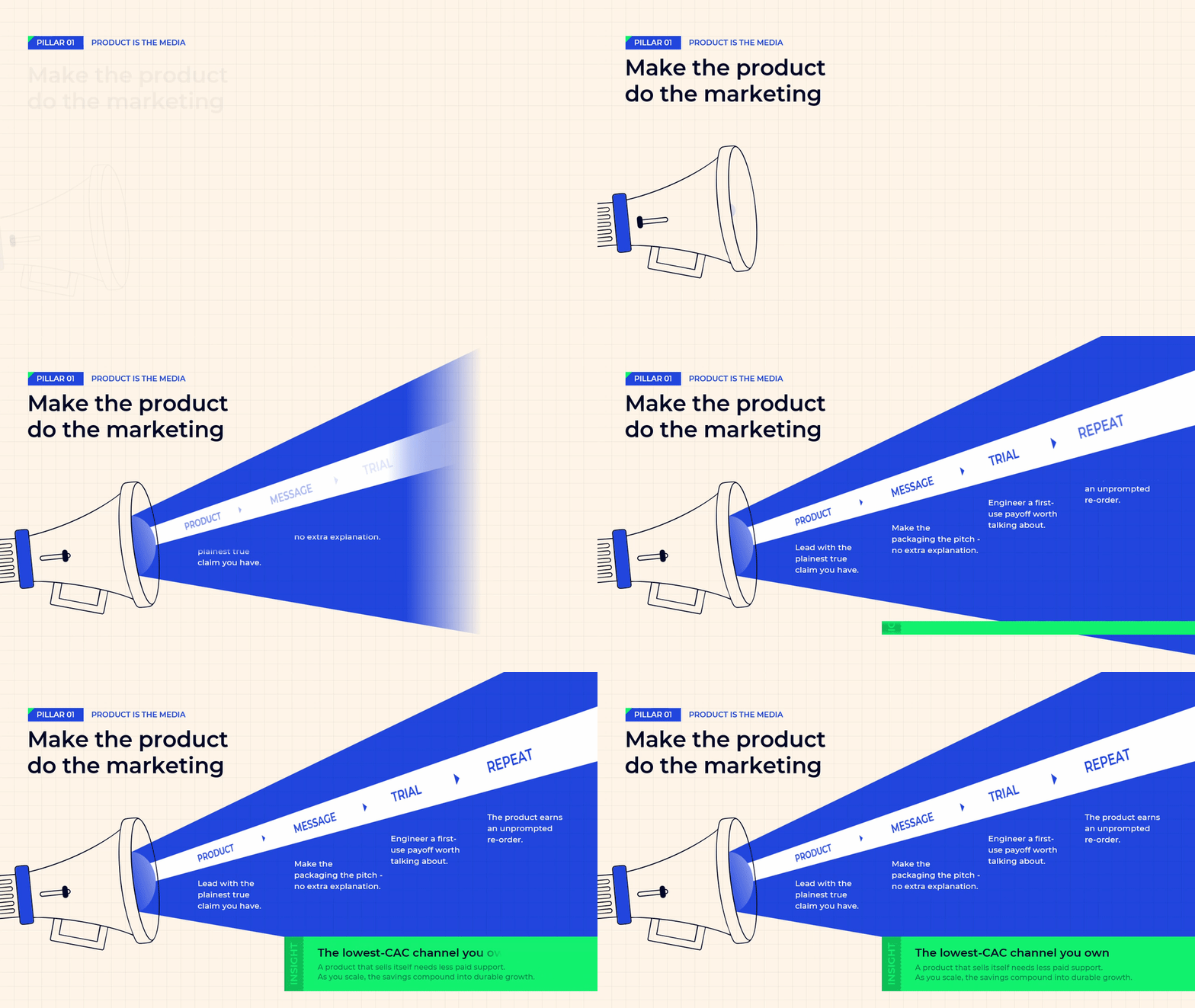
This pillar starts with the message the product itself sends. A manager reaches for this view when a launch leans too heavily on paid ads. The model moves from product to message to trial to repeat, so each stage has a defined job. The practical rule is plain. Lead with the simplest true claim, and let the packaging carry the pitch with no extra explanation, so the product speaks before any media does.
Not every product suits sampling, so the next step scores fit before any budget moves. The scorecard rates four factors: portability, unit economics, repeat potential, and the goodwill of the moment. Each factor scores from zero to two. A total of seven or eight means make sampling core, four to six means pilot selectively, and a low total means use other channels. The point is to sample only where the economics and the product truth both support it.

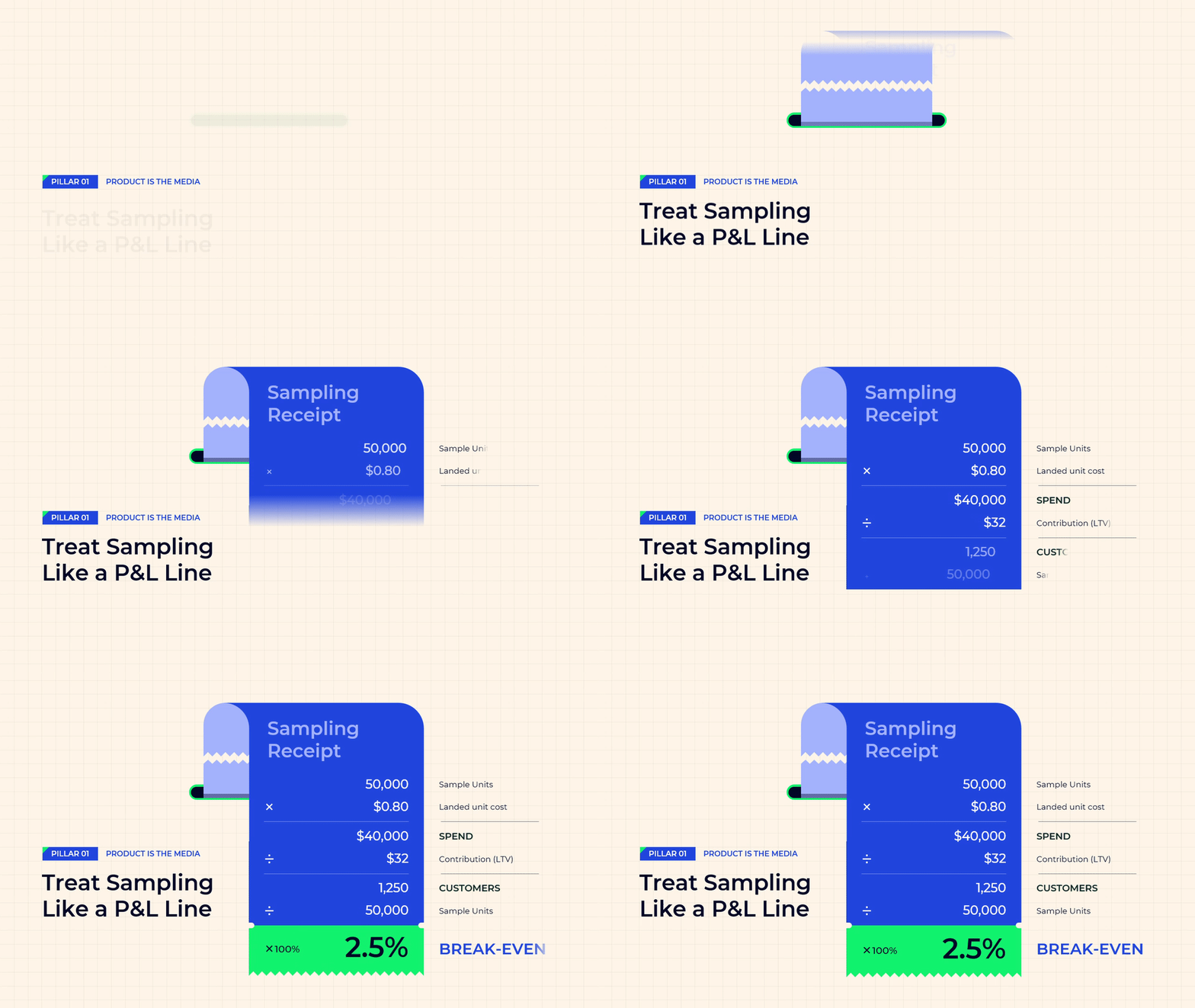
Once sampling passes the fit test, it should run like a line in the profit and loss statement, not a marketing whim. The math is direct. Sample units times landed unit cost gives total spend. Divide that spend by the contribution per customer to find the break-even number of conversions, then compare it to the units handed out. A break-even near a few percent signals a healthy, repeatable acquisition engine that a finance team can defend.
Ideas That Are Surprising and True
Most campaigns fail because the idea is obvious. If a template or an automated tool could generate the same concept, so could every rival, and the idea carries no advantage. Great brand ideas sit in a narrow corner. They surprise, because the crowd would not think of them, and they hold up, because they are provably true. Ideas like these compound, since they resist copying and lodge themselves in memory.
The logic mirrors investing. A consensus view is already priced in, so it earns no edge. Work from the Ehrenberg-Bass Institute makes a related point. Brands grow through distinctive assets and mental availability, not through claims that every competitor also makes. Distinctiveness, applied with consistency over time, is what makes a brand easy to recall at the moment of purchase, which is where growth is actually won.
A manager uses this map when a creative concept feels safe. The grid runs from obvious to non-obvious along one axis and from hollow to true along the other. Table stakes are true but expected. Gimmicks surprise but do not hold up. Noise is familiar and forgettable. The winning quadrant is both non-obvious and true, and that corner is the only one worth serious funding, because it is the only one that compounds.

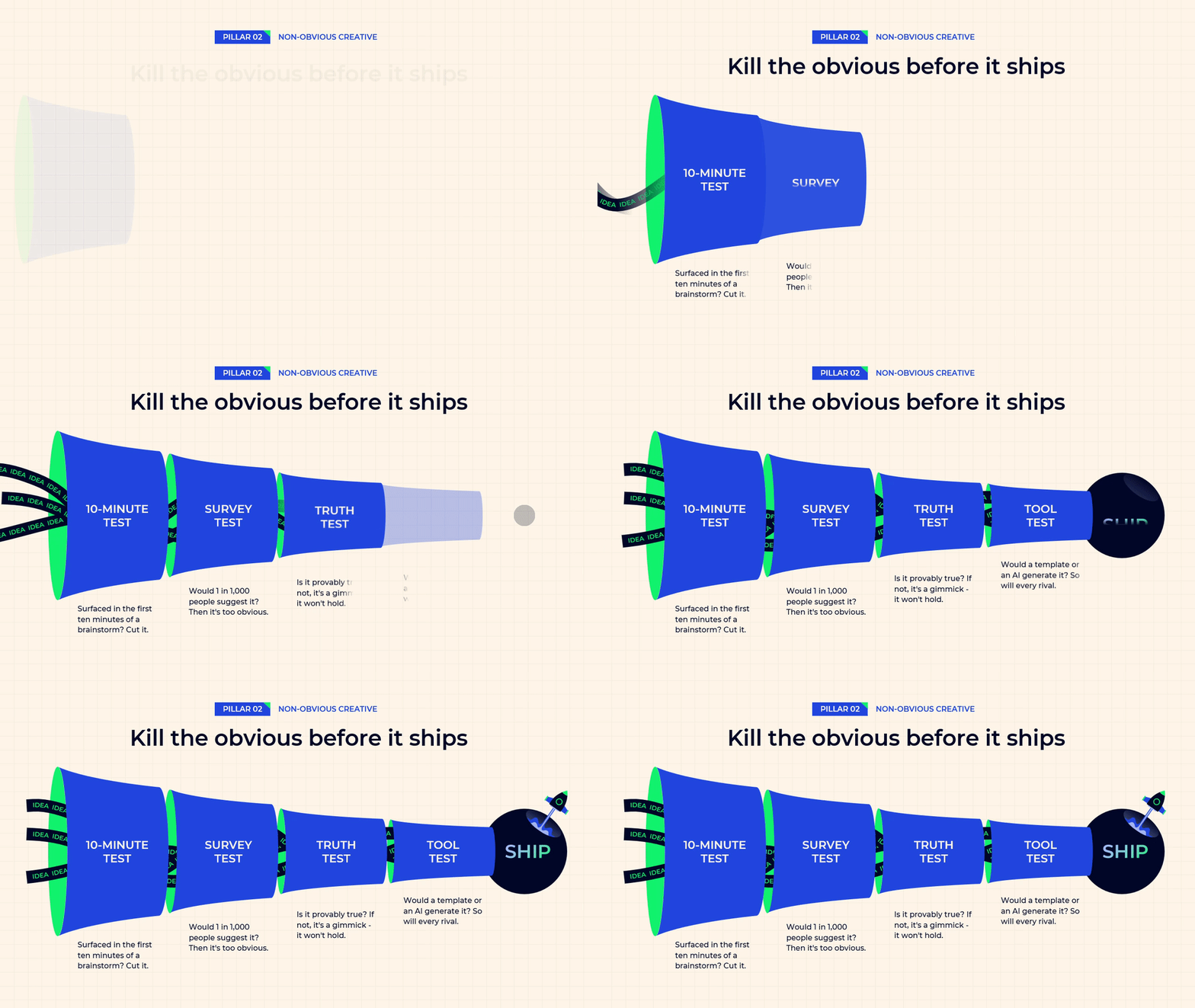
The next view is a filter that kills weak ideas before they ship. Four quick tests screen each concept. Would a tool generate it. Would one in a thousand people suggest it. Is it provably true. Did it surface in the first ten minutes of a brainstorm. An idea that fails any test gets cut, so only concepts that are both non-obvious and true move forward. The filter protects the budget from safe, forgettable work.
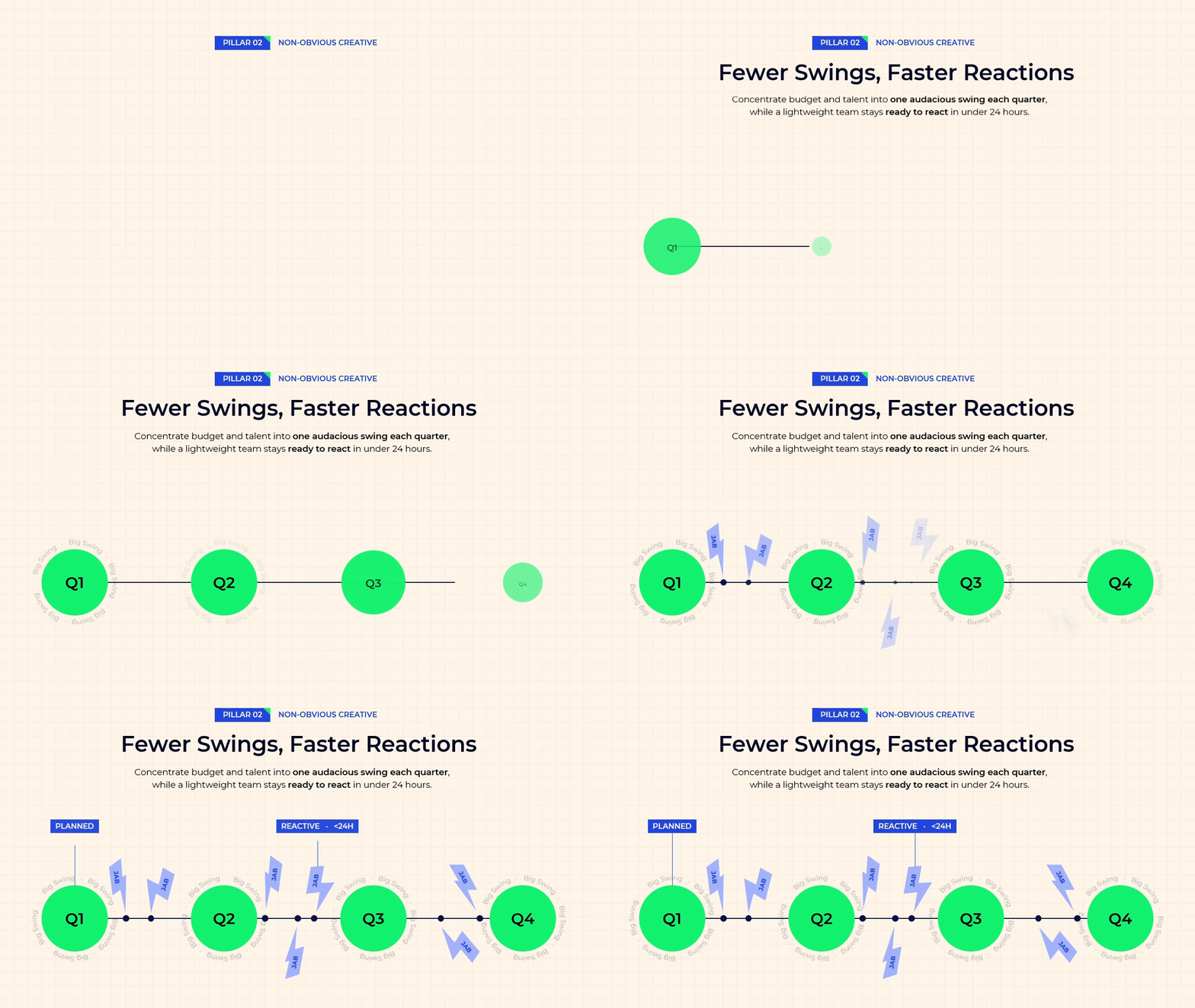
The last view in this pillar sets the rhythm of output. A team concentrates budget and talent into one bold swing each quarter, while a lightweight group stays ready to react in under a day. Fewer, larger bets raise the odds of a memorable idea, and fast reactions keep the brand present between the big moments. The discipline here is restraint. Resist the urge to spread the budget thin across many small, safe efforts.
Download presentation

The Durable Brand Playbook
PowerPoint
19 Slides
To continue, enter your email:
Shift the Mix as the Brand Scales
The right marketing mix is not fixed. It changes as an organization moves from launch to scale. Early on, every dollar must prove its return, so performance leads and brand risk stays high while cash is scarce. Later, brand should carry demand as attribution fades. A mix that shifts on purpose protects margins in the lean years and compounds equity in the strong ones, so the balance itself becomes a lever for durable growth.
Decades of effectiveness data support this balance. Analysis by Les Binet and Peter Field, drawn from the IPA databank of case studies, points to roughly 60% brand and 40% activation as the split that maximizes long-term growth for most consumer brands. Too much activation delivers a quick spike, then a slow decline as price sensitivity rises. The exact ratio matters less than the direction of travel and the willingness to shift it.
A manager uses this view to plan the transition deliberately. It maps three stages: launch, growth, and scale. At launch, performance dominates because cash is tight and brand risk is high. Through growth, the two blend as rented reach converts into owned assets. At scale, brand leads and distribution carries the demand. The task is to read the current stage honestly and move the balance before growth stalls, not after.
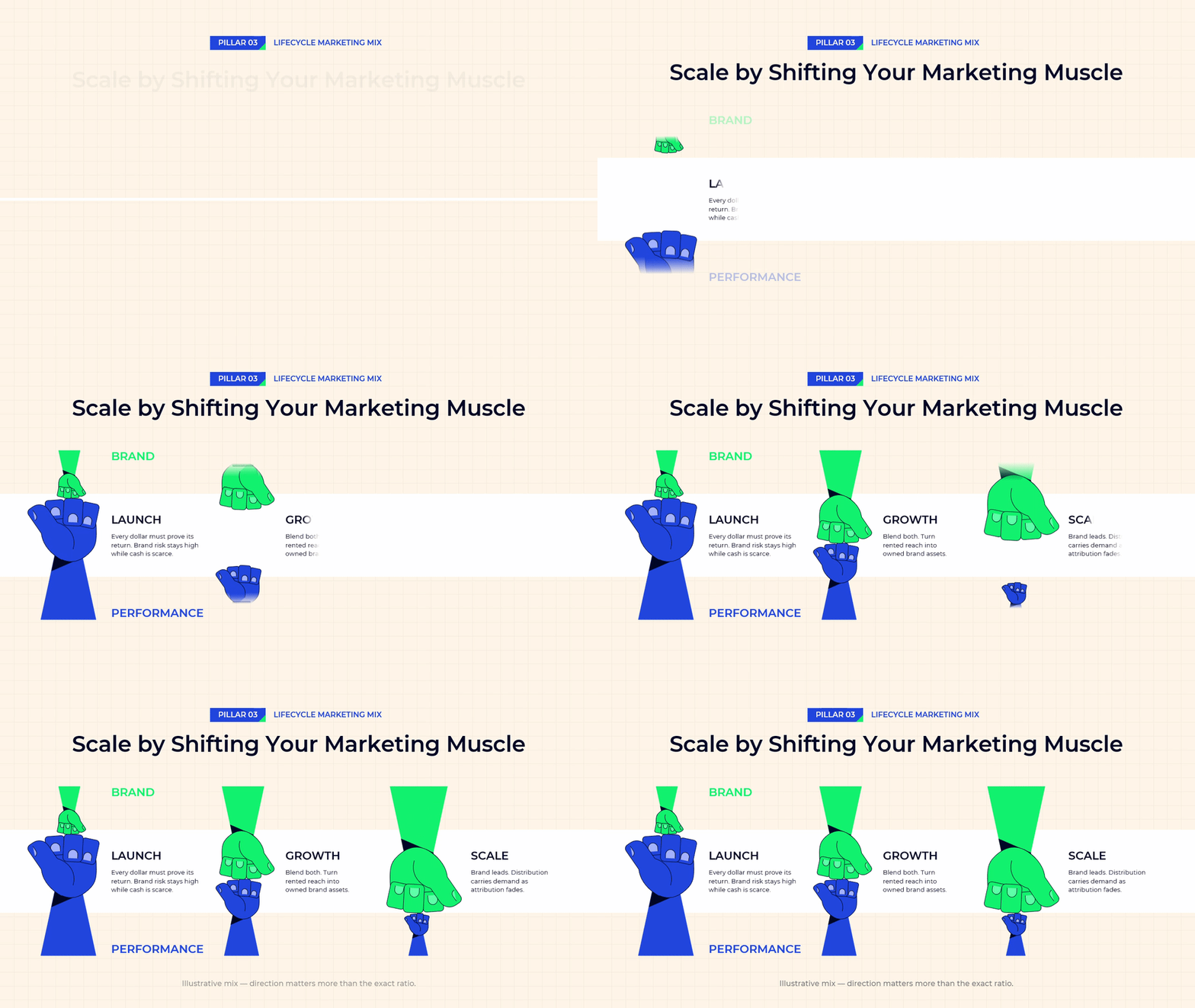
This view reframes what channels actually do. Brand creates the demand, and the channel simply catches it. When leaders treat paid channels as the source of growth, they overpay for demand the brand should generate on its own. The practical move is to measure brand-led demand, not only last-click activity, so the budget follows the real driver. A channel is a catcher, not a source, and the mix should reflect that truth.

Own What Rivals Cannot Copy
Durability comes from assets a competitor cannot replicate. Three stand out. Borrowed trust from credible voices, an owned audience captured at every touchpoint, and supply terms locked like equity. Together they raise switching costs for rivals and lower acquisition costs for the brand. Each of these turns everyday activity into a lasting advantage, so every campaign leaves something valuable behind rather than fading the moment the spend ends.
Owned assets carry real economic weight. Industry analysis cited by marketing agencies reports that first-party data, activated well, can cut acquisition costs by up to half and lift revenue by a tenth or more. The reason is structural. When a brand reaches its own audience with its own data, it stops paying a platform markup for access it should already control. Ownership converts a recurring cost into a compounding asset.
A manager uses this ladder to choose the right voices. It ranks four tiers by trust and reach. Independent experts convert best and belong at the top. Up-and-coming experts offer credibility before the market prices them in. Recurring and parasocial voices compound trust through repeated exposure. Celebrities bring the most reach but weaker trust, so a brand should use them sparingly. The rule is to lead with trust and add reach with care.

This view turns routine activity into equity. Every campaign should capture contact permission, build a community rather than a following, and leave behind a reusable library of assets. The aim is to own the customer data and the direct relationship, not to rent access to it. The check is habit. Make capture and reuse standard practice, so each turn of the business adds to the asset base instead of starting from zero.

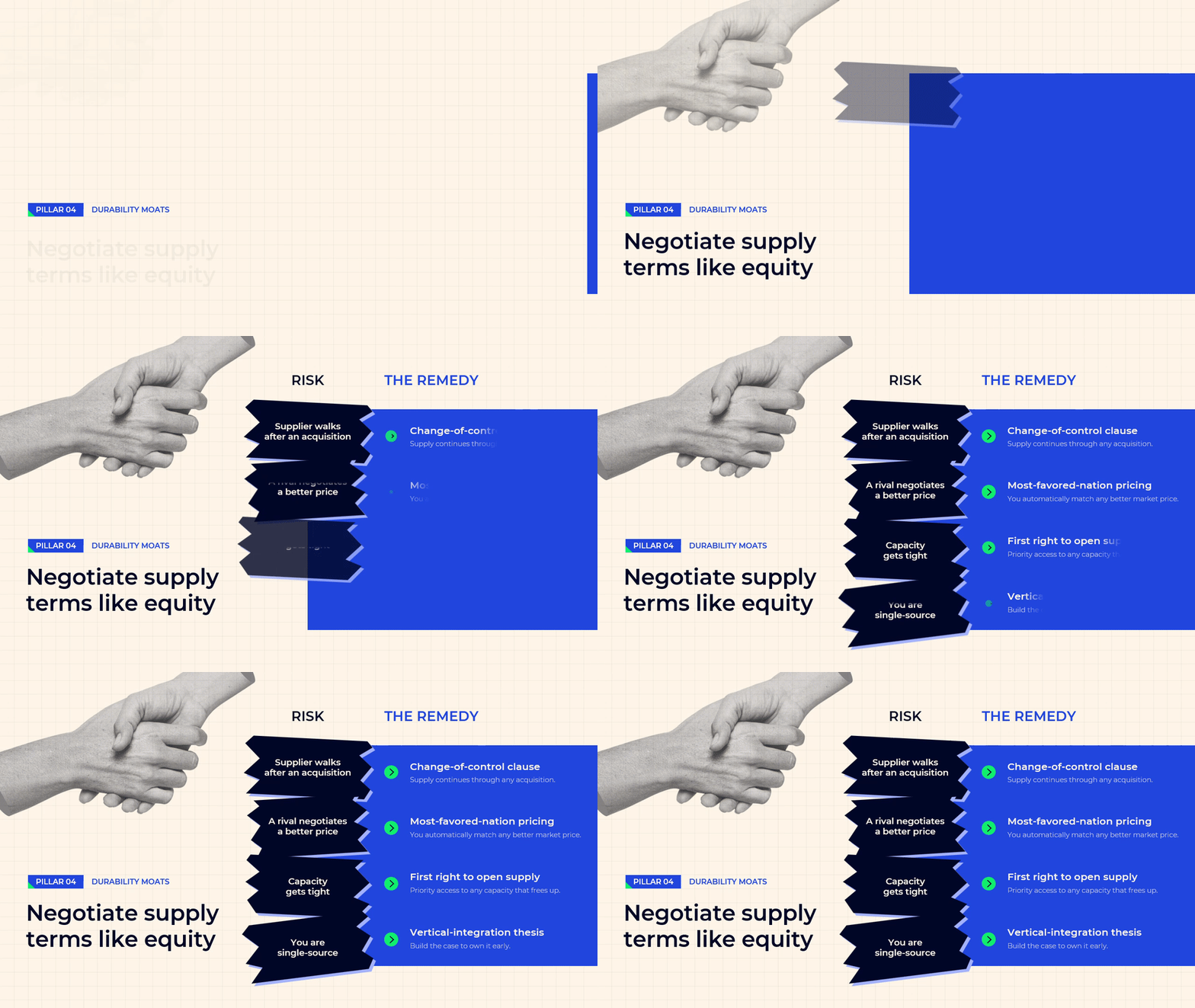
The final view treats supply as a source of advantage rather than a cost to manage. It pairs each risk with a concrete remedy. A change-of-control clause keeps supply steady when a supplier is acquired. Most-favored-nation pricing matches any better market rate a rival negotiates. A first right to open capacity protects access when supply gets tight. When a brand is single-source, the remedy is a case to own the supply early.
Download presentation
The Durable Brand Playbook
PowerPoint
19 Slides
To continue, enter your email:
Turn the Model Into a Plan
A framework only helps when it drives action. This system converts the four pillars into a score, a priority list, and a dated plan. It shows a team where the brand is fragile, what to fix first, and how to sequence the work across a single quarter. That moves strategy from a debate in a meeting to a schedule with owners and dates, which is where durable change actually starts.
Consider a mid-size brand that senses it depends too much on paid reach but cannot agree on the first move. A shared scorecard settles the argument. It reveals, for example, weak repeat demand and a thin owned audience, so the team fixes those leaks before it touches the creative budget. The measure aligns the work, because a common baseline removes the guesswork about where the real gaps sit.
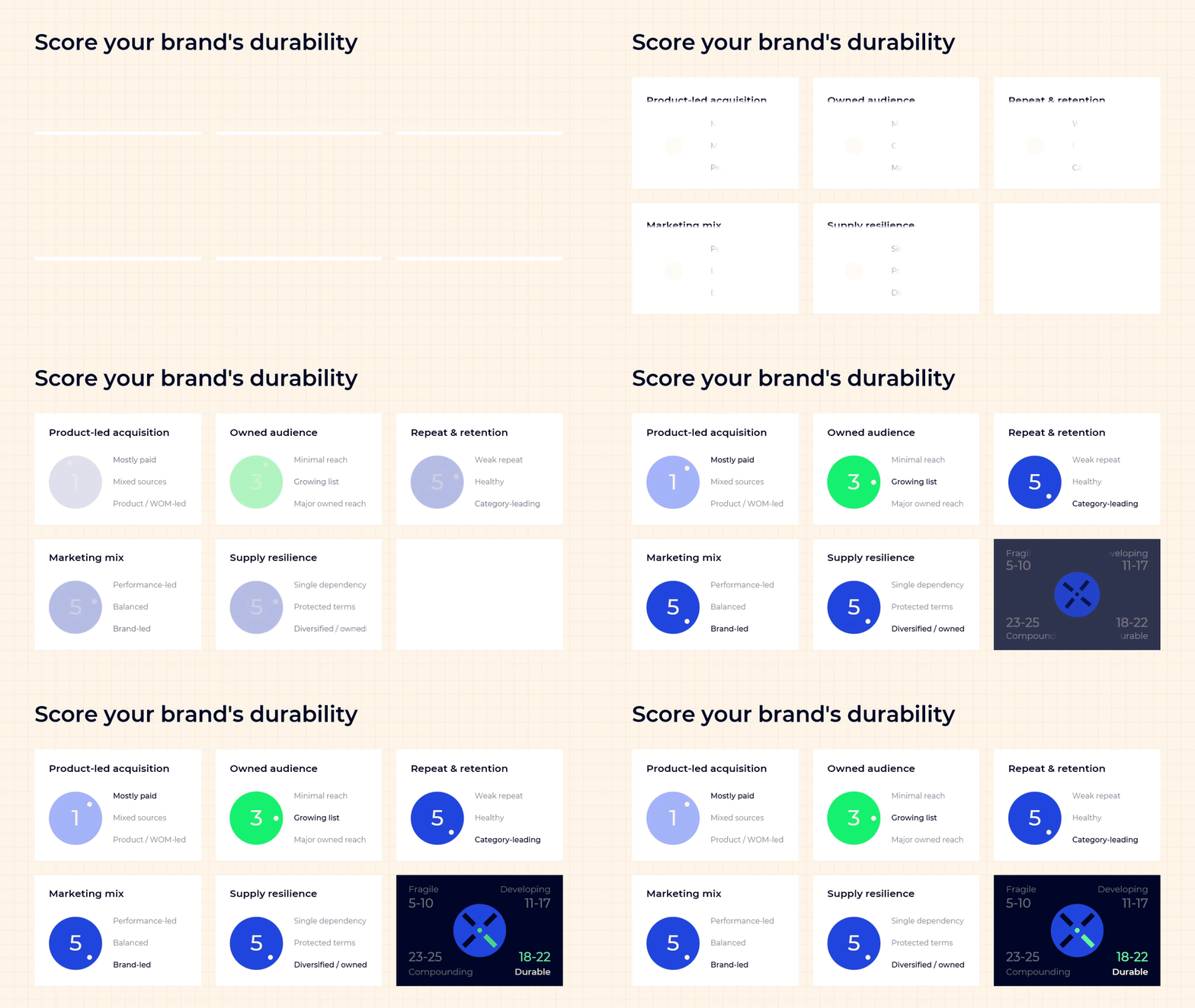
The scorecard rates the brand across five dimensions, from product-led acquisition to supply resilience, on a one to five scale. The totals map to four tiers: fragile, developing, durable, and compounding. A manager runs this first to set an honest baseline. The point is candor. Score the brand as it stands today, not as the plan hopes it will look later, so the diagnosis reflects reality rather than ambition.
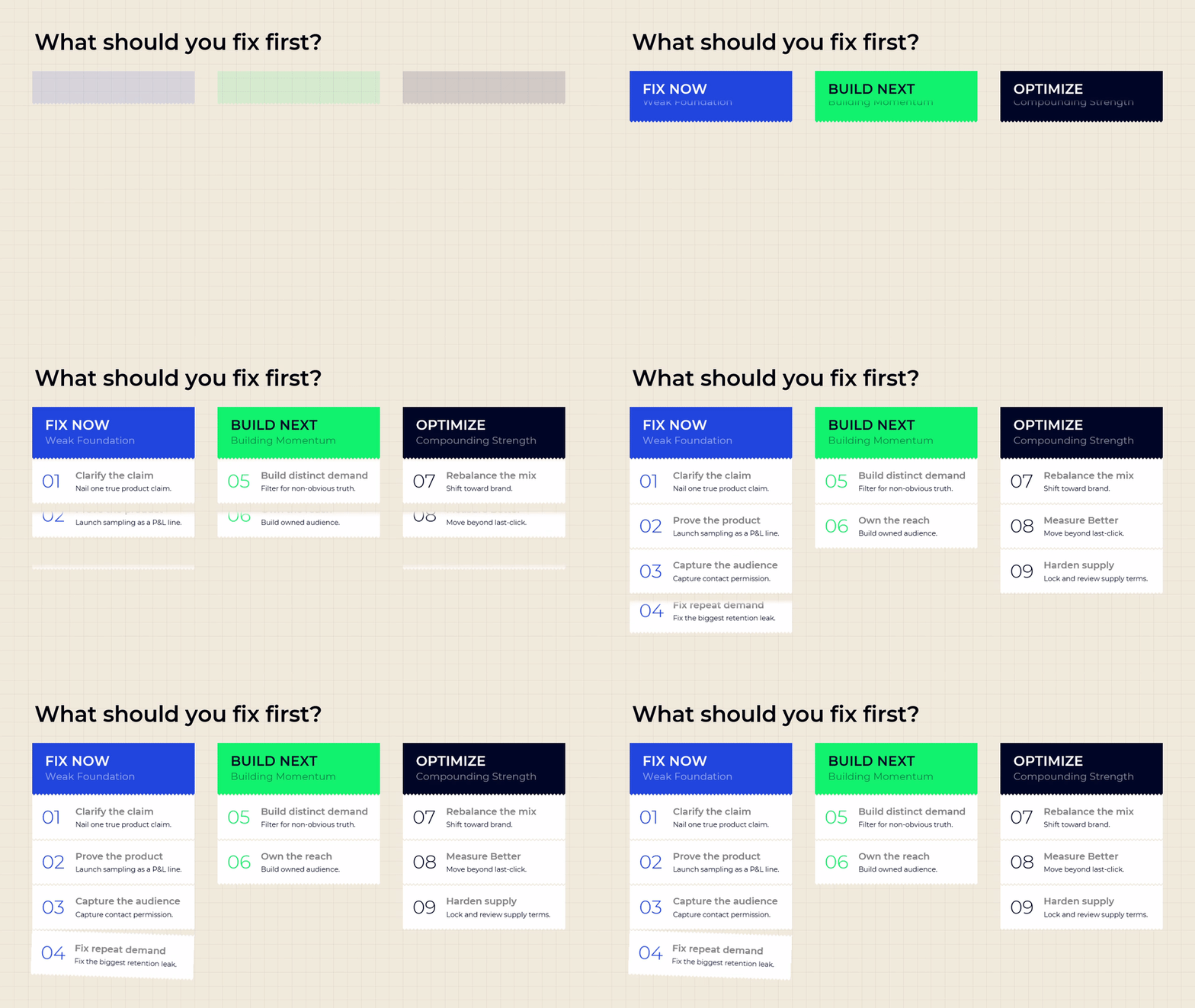
The priority board sorts nine actions into three lanes: fix now, build next, and optimize. It runs from a weak foundation toward compounding strength, so the sequence stays clear. A manager uses it to avoid the common trap of polishing advanced tactics while the basics leak. Start at the left, clarify the one true product claim, then work rightward through owned reach, a better mix, and stronger measurement.
The roadmap places the work on a ninety-day timeline, from fixing the foundation to compounding the advantage. Each phase carries a few concrete tasks with day ranges, so progress stays visible week by week. A team uses it to commit to dates rather than intentions, and to keep parallel workstreams in sequence. The discipline is to protect that sequence even when a shiny new tactic tempts the team into a detour.

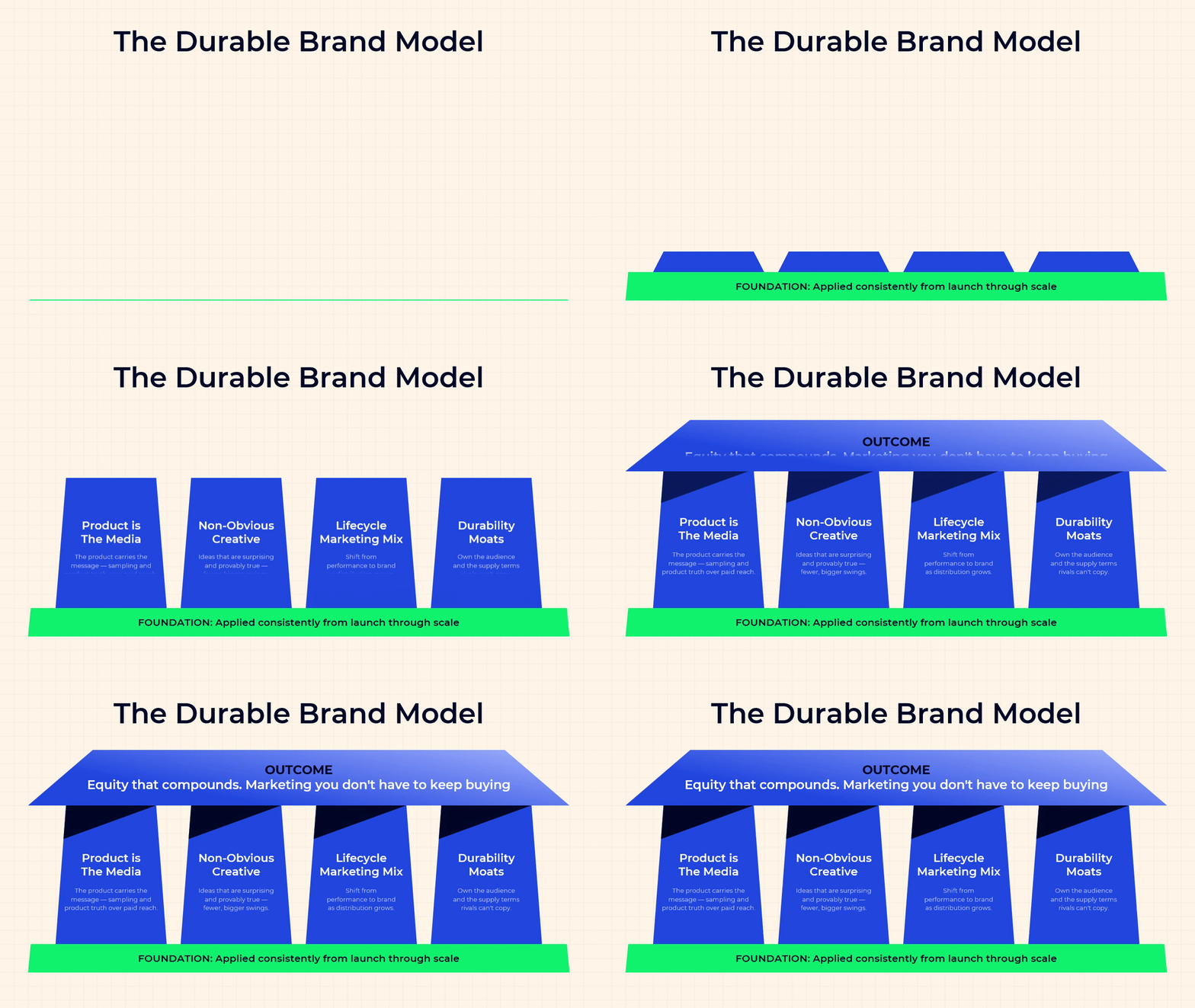
The pattern across these pillars is a shift in what a brand treats as its foundation. Rented attention buys a spike and leaves nothing behind. Owned demand, distinctive ideas, a mix that matures with the business, and moats that rivals cannot copy build an asset that pays out for years. The product carries the message, the creative earns memory, the mix protects margin, and the moats hold the line. Measured together, they change the economics of growth itself. Paid channels grow more expensive as they saturate, while owned audience, brand equity, and repeat demand lower the cost of every future customer. Durability is not a slogan. It is a discipline that converts marketing from a recurring cost into compounding capital, and it rewards the teams patient enough to build it turn by turn.
Download presentation
The Durable Brand Playbook
PowerPoint
19 Slides
To continue, enter your email:


